


Registered Voter Mailing List
The United States stands as one of the few countries in the world where democracy has been integral to its foundation, with citizens consistently given the right to decide, through their votes, who will represent them at every level of government. From local offices to national leadership, Americans have always had a direct hand in choosing their leaders, making their democratic process unique and deeply embedded in the fabric of the nation. Unlike many other countries, where leadership positions may be determined by other means, the U.S. has maintained a consistent commitment to allowing its citizens to play an active role in governance through elections.
This commitment to democracy is reflected in the election process, which is a cornerstone of American society. Elections are held at various levels of government, from local positions like mayors and council members to state legislators and the national presidency. The campaign season leading up to these elections involves a significant mobilization of resources, where candidates work tirelessly to connect with the electorate, address the concerns of the public, and outline their vision for the future. This is done through rallies, speeches, advertisements, and other methods of outreach to build awareness and gain the trust of the voters.
The election process in the U.S. is designed to be inclusive and accessible to as many citizens as possible. Historically, the only way to vote was to physically appear at polling stations within designated hours. However, the introduction of mail-in voting has revolutionized this system, ensuring that every eligible citizen has the opportunity to vote, even if they are unable to attend in person due to mobility issues, work commitments, or other barriers. With mail-in voting, citizens can cast their ballots at their convenience, ensuring their voices are heard without disrupting their daily lives. This has strengthened the democratic process by increasing voter turnout and ensuring that all Americans, regardless of circumstances, can participate in shaping their government.
Yet, democracy in the U.S. is not confined to just the national election cycle. While presidential elections may occur every four years, there is always an election happening at some level of government—whether it’s local, county, or state elections, or the various special elections that occur throughout the year. These elections are just as important, often affecting people’s daily lives more directly. At the same time, the buildup to the next presidential election is already underway, with political parties and independent candidates gearing up for another round of debates, policy discussions, and campaigns to secure the public’s support.
Sprint Data Solutions Worldwide Marketing has long been at the forefront of supporting political organizations and campaigns in their efforts to engage voters and ensure the democratic process runs smoothly. Our experience in working with political clients allows us to provide critical data and insights that power successful campaigns. As the nation prepares for another round of elections, Sprint Data Solutions Worldwide Marketing stands ready to assist in keeping the democratic machinery in motion, ensuring that every election, from local to national, reaches its full potential with the participation of the people. With our expertise and resources, we are committed to helping shape the future of democracy, one election at a time.
About Sprint Data Solutions Worldwide Marketing
Sprint Data Solutions Worldwide Marketing was founded by a disabled veteran with a vision to contribute to the nation’s economic growth by helping businesses expand their customer base. After years of dedicated military service, which involved significant sacrifices to protect the nation, the founder decided to shift focus from military conflict to economic development. The goal was clear: to empower businesses by providing them with the tools to reach and grow their customer base, thereby driving revenue and contributing to broader economic success. Choosing to remain in Las Vegas, a hub of commerce and innovation, the company began as a small, local business. Over the years, this small operation expanded steadily, driven by the delivery of high-quality results, and today, Sprint Data Solutions Worldwide Marketing boasts a loyal team with over 50 years of combined experience in the marketing and promotions industry.
The company’s journey began with direct mail marketing, long before the digital marketing era took hold. However, the strategies and principles behind direct mail marketing were closely aligned with the growing need for more targeted, personalized communication in marketing. As a result, Sprint Data Solutions Worldwide Marketing focused on gathering extensive database resources and honing the necessary skills to manage and organize valuable assets such as names, mailing addresses, and detailed demographic data. This foundational work enabled the company to provide clients with highly effective and targeted marketing solutions, resulting in measurable success and continued growth.
This early success allowed Sprint Data Solutions to expand from its roots in Las Vegas to serve businesses across the entire continental United States, with Alaska and Hawaii soon following to ensure full national coverage. The company’s growth didn’t stop there. Recognizing the potential for broader markets, Sprint Data Solutions Worldwide Marketing extended its services into North America, reaching markets in Canada and Mexico, and eventually taking its operations overseas to Europe. The company now serves global clients, providing valuable marketing resources in the European Union, including countries like France. From its humble beginnings to its current international reach, Sprint Data Solutions Worldwide Marketing remains committed to empowering businesses worldwide with the tools and expertise they need to thrive in the global economy.
Elections Are Different In The New Millennium
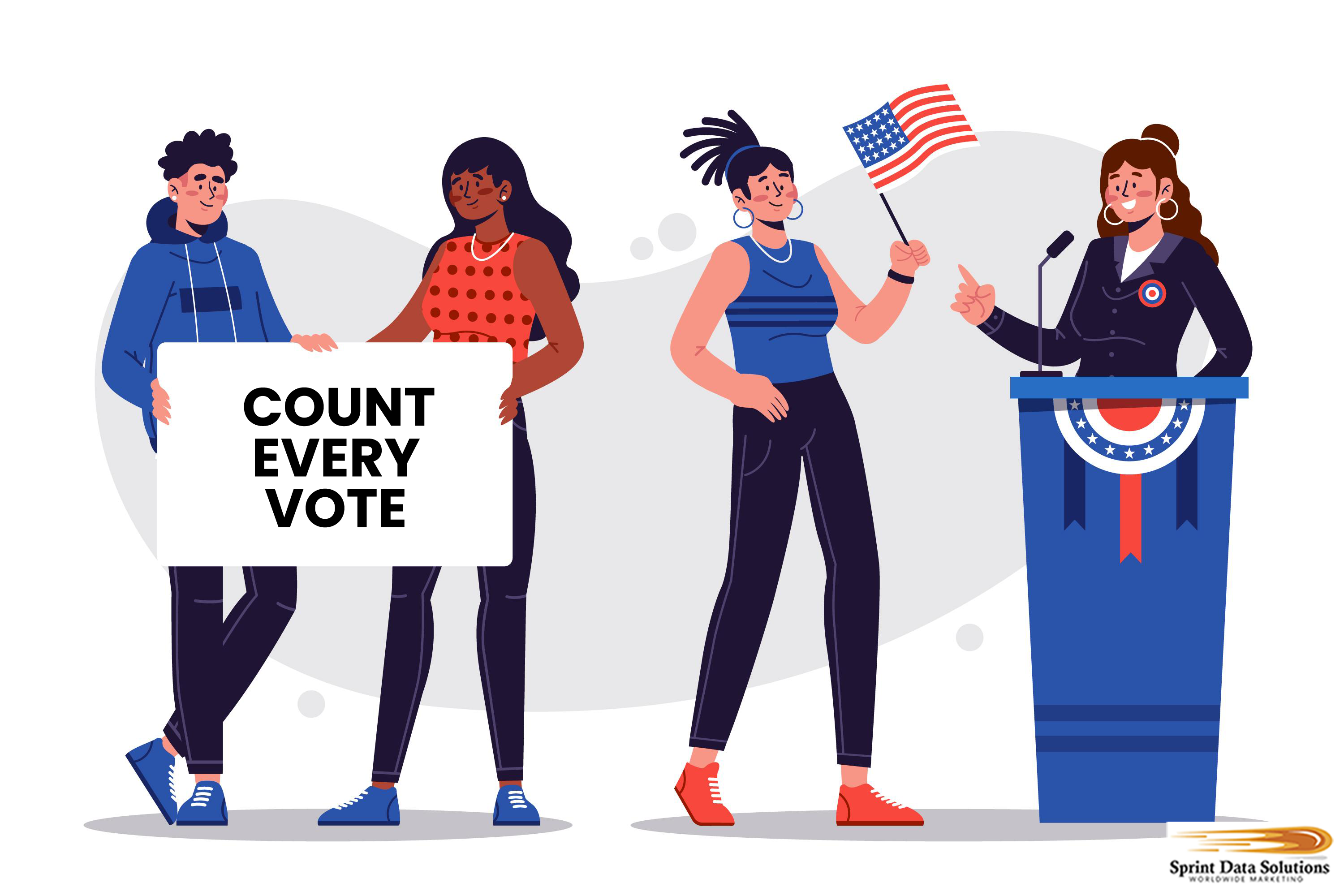
The democratic process, particularly how candidates connect with voters, has undergone significant transformations over the years. The advent of the Internet has fundamentally reshaped the ways campaigns reach and engage with the public, while also challenging the effectiveness of traditional methods. At its core, the goal of any political campaign remains unchanged: to convince voters that a particular candidate is the best choice for the role they seek, whether it’s at the local, state, or national level.
Achieving this objective requires candidates to establish their legitimacy. This includes demonstrating strong personal character and showcasing their qualifications to hold office. Central to this process is clearly communicating the candidate’s platforms—what they stand for and the promises they make to enact meaningful change should they win and gain the authority to make policy decisions. The message a candidate sends must resonate with voters, outlining how they plan to improve the lives of their constituents and addressing the issues that matter most to the electorate.
However, the methods of campaigning have evolved significantly throughout history, adapting to new technologies and shifting cultural dynamics. In the early days of democracy, when mass communication was not yet established, campaigning relied heavily on in-person visits, where candidates would travel to relevant election areas to give speeches, engage with voters, and directly communicate their messages. Print marketing—such as posters, pamphlets, and flyers—was used to supplement these efforts, helping to spread the candidate’s message to a wider audience.
With the introduction of radio, campaigning entered a new era, expanding the reach of political messaging. While in-person interactions and print materials remained important, radio provided a platform for candidates to broadcast speeches and interviews to far larger audiences, often spanning entire regions or even the nation. Radio also allowed for greater immediacy and frequency of communication, enabling campaigns to maintain a consistent presence in the public’s mind.
Television took the next step in changing political campaigns, adding a visual element to the process. For the first time, candidates could be seen by voters, and televised speeches, interviews, and debates became critical components of the political landscape. Television commercials, offering persuasive political advertisements, revolutionized how messages were crafted and delivered to the electorate. The power of imagery, body language, and sound created a new dynamic in how candidates communicated their platform and ideas.
Then came the Internet, which not only changed how campaigns communicated with voters but also fundamentally altered how campaigns collected and analyzed data. The Internet’s ability to capture vast amounts of information has allowed political campaigns to target voters with unprecedented precision. Through online platforms, social media, membership registrations, and even website interactions, campaigns can now create highly detailed profiles of individuals, tracking their preferences, behaviors, and even voting tendencies. This data is shared and analyzed, allowing campaigns to segment audiences with a level of specificity that was never before possible. This capability has led to highly targeted marketing strategies, where campaigns can craft individualized messages to appeal to different voter groups based on their unique interests.
Who Benefits
Sprint Worldwide Solutions Marketing offers an extensive array of specialized mailing lists across various categories, ensuring that businesses, organizations, and political campaigns alike can effectively reach the right people. Whether you’re targeting individual consumers, specific businesses, or even broad political demographics, our comprehensive lists provide a valuable resource. In the political arena, our lists represent more than just names—they represent individuals who are active participants in the democratic process, potential supporters, and influencers of political change. Some of the key mailing list options we provide include:
Registered Voter Mailing Lists
Registered voters are the cornerstone of the democratic process in the United States. These are the individuals who have actively registered to vote, whether they did so in advance or on the day of an election. The requirement for voter registration varies by state—some states mandate that voters register beforehand, while others allow same-day registration. Regardless of the rules, those who have registered are already demonstrating a commitment to participating in the electoral system, making them highly receptive to political outreach. Whether or not voters have declared a political affiliation, registered voters are more likely to engage with politically relevant marketing materials, as they have shown a vested interest in the electoral process. Our registered voter mailing lists give you access to these engaged citizens, making it easier to target and connect with individuals who are ready to participate in shaping the nation’s future.
State Voters Mailing Lists
While presidential elections tend to garner the most attention, the outcomes of state-level elections often have a more direct impact on the daily lives of citizens. State voters are the key to influencing decisions related to local governance, education policies, healthcare regulations, and much more. From gubernatorial elections to state legislative races, these voters play a crucial role in shaping the laws and policies that affect them most. Whether it’s electing a new governor, deciding on local measures, or choosing their state representatives, state-level elections are deeply consequential. Reaching out to state voters is vital, especially for campaigns that need to communicate the stakes of an election, inform voters about specific policies, and encourage them to take action. Sprint Worldwide Solutions Marketing’s state voters mailing lists allow you to effectively target voters within specific states, helping you create a tailored message that resonates with those who can influence state policy and governance.
National Voter Mailing Lists
For larger-scale political marketing efforts, including national campaigns and federal-level concerns, national voter mailing lists are indispensable. These lists provide a way to reach voters across the entire country, which is particularly critical during high-profile elections like the presidential race. Whether you are campaigning for a national office, pushing for federal policy change, or simply trying to raise awareness for a national political issue, reaching a broad and diverse audience is essential. With our national voter mailing lists, your campaign or organization can target individuals from all corners of the country, tailoring your messaging to address the key issues that affect people nationwide. This broad outreach ensures that your message can reach voters from all backgrounds and geographic locations, maximizing the potential impact of your campaign or initiative. By utilizing national voter lists, you can engage with citizens across the U.S., uniting them behind your cause and driving participation in the democratic process on a large scale.

Voter Precinct Mailing Lists
Voter precinct mailing lists are an essential tool for any political action or campaign that aims to engage with voters at a local level. These lists provide specific details about eligible voters in individual precincts, which are the smallest subdivisions within an electoral district. This makes it possible for campaigns to focus on a targeted group of voters in a particular geographic area, allowing for hyper-localized outreach efforts. By utilizing precinct mailing lists, political groups can more effectively communicate with voters about local elections, candidates, and important issues. This level of precision ensures that campaigns can tailor their messages to the unique concerns and interests of voters in each precinct, increasing the likelihood of engagement and voter turnout. Whether for door-to-door canvassing, phone banking, or direct mail campaigns, having access to detailed precinct-specific voter data can significantly improve the effectiveness of political messaging and mobilization efforts, making it an indispensable resource for grassroots organizing and local political campaigns.
Political Donor Mailing List
While voting is the cornerstone of democracy, some individuals take their political engagement a step further by contributing financially to support candidates, causes, or political movements they believe in. Political campaigns often require substantial funding to operate, and donations from engaged citizens are critical to driving those efforts. Political donors span a wide range of demographics, from everyday citizens who contribute modest amounts to affluent individuals who make significant financial investments in the political process. Lower-income Americans may donate to support candidates or causes that reflect their values, while middle-class donors are often driven by a deep commitment to the issues at stake. Wealthier donors, meanwhile, may contribute large sums, often motivated by the desire to support specific policies or candidates who align with their ideological beliefs or business interests. Whether you are looking to raise funds for a local race or a national campaign, having access to a comprehensive political donor mailing list allows campaigns to reach out to individuals who have a history of contributing financially to political causes, ensuring that fundraising efforts are focused and effective.
Conservative Political Donors
In the United States, political donations are often aligned with the values and principles of the two major political parties. Conservative political donors, the majority of whom align with the Republican Party, tend to focus their financial support on candidates and causes that reflect their values. These donors are typically strong advocates for policies such as gun rights, limited government, traditional family values, and stricter immigration controls. Additionally, conservative donors often rally behind candidates who emphasize a Christian-based foundation for policy-making, national security, and economic freedom. Understanding the preferences and motivations of conservative donors is key for any campaign or political group seeking support from this demographic. By tapping into this pool of donors, conservative campaigns can secure the necessary funding to amplify their message, mobilize voters, and ultimately increase their chances of success in elections. These donors are particularly active during election periods, making them a valuable resource for candidates looking to raise substantial funds and build momentum for their campaigns. Through targeted outreach to conservative donors, campaigns can cultivate long-term support and foster political change that aligns with conservative ideals.
Liberal Political Donors
Much like their conservative counterparts, liberal political donors play a crucial role in funding causes and campaigns that reflect their values and beliefs. Liberal causes are often deeply rooted in social justice, equality, and progressive policies, and those who align with these ideas are typically strong supporters of the Democratic Party. These causes include issues like abortion access, LGBTQ+ rights, environmental sustainability, expanding healthcare access, and increasing the quality of education and social services. In recent years, especially in light of significant political shifts such as the repeal of Roe v. Wade, liberal donors have become even more active in funding political campaigns that protect and expand these rights. The urgency to protect individual freedoms and social justice has prompted an increased level of participation among liberal donors, ensuring that their voices are heard and their causes supported. For political groups that align with liberal values, this donor base represents a powerful resource for securing the financial backing needed to push forward progressive policies and candidates who champion equality, justice, and reform. Whether during election seasons or in response to political challenges, liberal donors remain committed to funding the causes that matter most to them, helping drive the political agenda for the left.
Independent Voter Mailing List
While the majority of American voters tend to register with one of the two dominant political parties, there is a significant and growing demographic that prefers to remain independent. These independent voters are not bound by party affiliation but instead choose candidates based on policies and issues that resonate with their values. Independents often represent a broad spectrum of political ideologies, ranging from moderate conservatives to progressive liberals, united by their desire to vote for the candidate who aligns most closely with their personal beliefs, rather than party loyalty. While independent voters may not participate in primary elections where party nominations are made, they can be pivotal during general elections, especially in swing states where their votes can decide the outcome. This group is also influential in terms of campaign donations, as they are willing to financially support candidates from any party who share their concerns, such as fiscal responsibility, healthcare reform, or social justice. For political campaigns, targeting independent voters means emphasizing policy positions over party affiliation and demonstrating a clear alignment with the issues that matter most to them.
Undecided Voters Mailing List
Undecided voters represent one of the most important and often overlooked demographics in any election. Though they may not yet have committed to a candidate or party, undecided voters are still engaged in the electoral process and remain open to persuasion. These voters are typically unsure about where they stand, often due to a lack of clear preference or because they feel disconnected from the current political options. This makes them a valuable target for political campaigns, as they have the potential to swing elections in a particular direction, especially in tight races where every vote counts. While undecided voters may take more effort to persuade, they should not be viewed as passive participants. They are active in the electoral process and simply need more information, compelling arguments, and reassurance to make an informed decision. For campaigns, engaging undecided voters means presenting clear, relatable messages and highlighting the stakes of the election in terms that resonate with their concerns. Whether through targeted advertisements, direct mail, or personal outreach, convincing even a small percentage of undecided voters can make a significant difference in a hotly contested election. The ability to influence this group can ultimately be the deciding factor between victory and defeat.
Political Activists Mailing Lists
Political activists play a pivotal role in shaping political movements and influencing the outcomes of elections. These individuals go beyond the basic act of voting or donating—they are deeply committed to causes and actively work to further the ideals they believe in. Whether through volunteering for campaign efforts, organizing grassroots initiatives, or participating in more visible actions like protests and demonstrations, political activists are invaluable assets to any political cause or campaign. Their dedication and willingness to invest time and energy into political activities make them some of the most passionate and influential individuals within a democratic system. For campaigns, engaging with activists means tapping into a highly motivated and energized group of people who can rally others, drive participation, and amplify a candidate’s or cause’s message. Activists often serve as the backbone of larger movements, mobilizing voters, generating buzz, and helping to sustain momentum, especially during election periods. Their grassroots efforts, whether through canvassing, social media outreach, or organizing rallies, can significantly impact voter turnout and influence public opinion. Targeting and connecting with political activists can provide campaigns with a crucial boost, ensuring that the message reaches those most likely to act on it.
Swing State Voters
In U.S. presidential elections, swing states are often the key to determining the outcome of the election. Unlike reliably blue states like California or red states like Texas, swing states—such as Florida, Pennsylvania, and Ohio—are less predictable and can vote either Democratic or Republican in any given election cycle. These states hold significant weight, as they typically possess a high number of electoral votes and can swing the overall result of the presidential race. Because of this, swing state voters receive a disproportionate amount of attention from candidates and political campaigns, with teams working tirelessly to appeal to these undecided or moderate voters. These voters are often targeted through tailored messaging, advertisements, and local outreach efforts that focus on issues that resonate with the specific concerns of people in those states. For political campaigns, having access to precise and up-to-date databases on swing state voters is crucial. Effective targeting in these areas can make the difference between winning or losing a critical election. It’s not just about appealing to voters within these states—it’s about understanding the unique demographics, preferences, and concerns that define each swing state, and ensuring that campaigns engage voters in meaningful ways. As these states often determine the outcome of federal elections, particularly the presidency, aggressive campaigning and direct outreach are essential to securing voter support in swing states.
A New Election Is Coming
In the United States, the next presidential election may be scheduled for November 2024, but the groundwork for this critical event begins much earlier. Experienced political organizations know that successful campaigning is built on months, or even years, of preparation. Early planning allows campaigns to strategize effectively, mobilize resources, and make critical decisions that will shape their success. Starting early ensures that political organizations are fully equipped to reach voters, refine their messaging, and build momentum long before the election day arrives. Sprint Data Solutions Worldwide Marketing offers the tools and resources that political campaigns need to gain a competitive edge. By providing access to comprehensive multichannel voter contact databases, we enable campaigns to reach constituents across every district in the United States. With our data-driven solutions, your campaign can hit the ground running, ensuring that you’re ready to engage voters and make every interaction count.
Reach The Groups You Need
Sprint Data Solutions Worldwide Marketing offers a wide range of political and voter contact lists that empower campaigns to reach the right audience with precision. These lists include not just basic contact details but also valuable demographic insights that help campaigns tailor their messaging to the voters who matter most. Through surveys, purchasing behaviors, and targeted mailing lists, we’ve gathered extensive data that offers a clear picture of voter profiles, preferences, and interests. By utilizing big data analytics, this data can be categorized, cross-referenced, and organized to help political organizations identify specific groups of voters based on a variety of factors. Whether you need to target specific geographic areas, age groups, or ideologically aligned voters, Sprint Data Solutions Worldwide Marketing ensures that you can access the most relevant and actionable data. This allows candidates and political organizations to optimize their outreach strategies, engage with key demographics, and craft messages that resonate deeply with voters. With the right research, technology, and data compilation, you’ll be able to not only reach but also persuade the right voters, maximizing your impact and driving support where it matters most.
- Ethnicity
- Age
- Children’s Age
- Debt
- Homeowner
- Renter
- Marital Status
- Income
- Veteran Status
- Geography
- Mortgage Data
And more.
Voting lists are not limited to just physical mailing addresses—today, voter outreach can be conducted across multiple communication channels, making it easier than ever to engage with voters through their preferred platforms. Depending on the needs of your campaign, voters can be contacted by mail, email, text/SMS messaging, or even by telephone, ensuring that your message reaches them in the most effective way possible. Whether you are aiming to inform voters about key issues, mobilize supporters for a campaign, or solicit donations, Sprint Data Solutions Worldwide Marketing provides the tools and resources to help you reach the right people through the right channels. Our targeted voter mailing lists are customizable and can be segmented by demographics, voter behaviors, or specific political affiliations, giving you the ability to focus your efforts on the voters, activists, and donors who are most likely to engage with your message. We understand that a successful election campaign requires more than just outreach—it requires strategic engagement with the right individuals at the right time. With our advanced data analytics and comprehensive list-building services, we ensure your efforts are not only reaching your intended audience but also driving real results. Whether you’re looking to win an election, recruit volunteers, or raise campaign funds, Sprint Data Solutions Worldwide Marketing can provide the targeted support you need to maximize your campaign’s potential and raise the chances of a successful outcome.