


RV Owners Are A Perfect Market For Your Business
There are two primary types of RV (Recreation Vehicle) owners, each with distinct lifestyles and preferences. The first group consists of recreational RV owners—those who enjoy traveling and exploring on their own terms. These individuals love the freedom that comes with having an RV, as it allows them to set their own travel itinerary, bring along all the comforts of home, and often even take their pets on the road. Whether it’s visiting state and national parks, exploring remote wilderness areas, or discovering lesser-known destinations, these RV owners are passionate about adventure and creating memorable experiences. They value flexibility, independence, and the ability to travel while still enjoying the convenience and comfort of their own living space.
The second group of RV owners is those who choose to live in their RV full-time. For these individuals, an RV offers a unique solution for affordable housing, especially in locations that may be considered out of reach for traditional homeowners. Some full-time RV owners enjoy the freedom to move between different places and change their scenery with the changing seasons, while others appreciate the minimalist lifestyle that owning an RV offers. Full-time RV living can provide a simpler, more flexible way of life, where the home moves with you and the space is compact but functional. Many full-time RV owners are drawn to the freedom and affordability that come with this lifestyle.
RV owners, whether they are travelers or full-time residents, present a lucrative market for businesses offering products and services tailored to their unique needs. From outdoor gear and travel accessories to specialized insurance, maintenance services, and home goods, there are a wide range of goods and services that RV owners require. Reaching this market can be a challenge, but with the right approach, businesses can tap into a growing community of RV enthusiasts. Our RV owners list provides a valuable resource, offering detailed contact information to help you connect directly with RV owners. Whether your business offers products related to RV travel, maintenance, lifestyle, or anything in between, this list can help you reach the right audience and start building meaningful connections.
More People Are Buying RVs Every Year
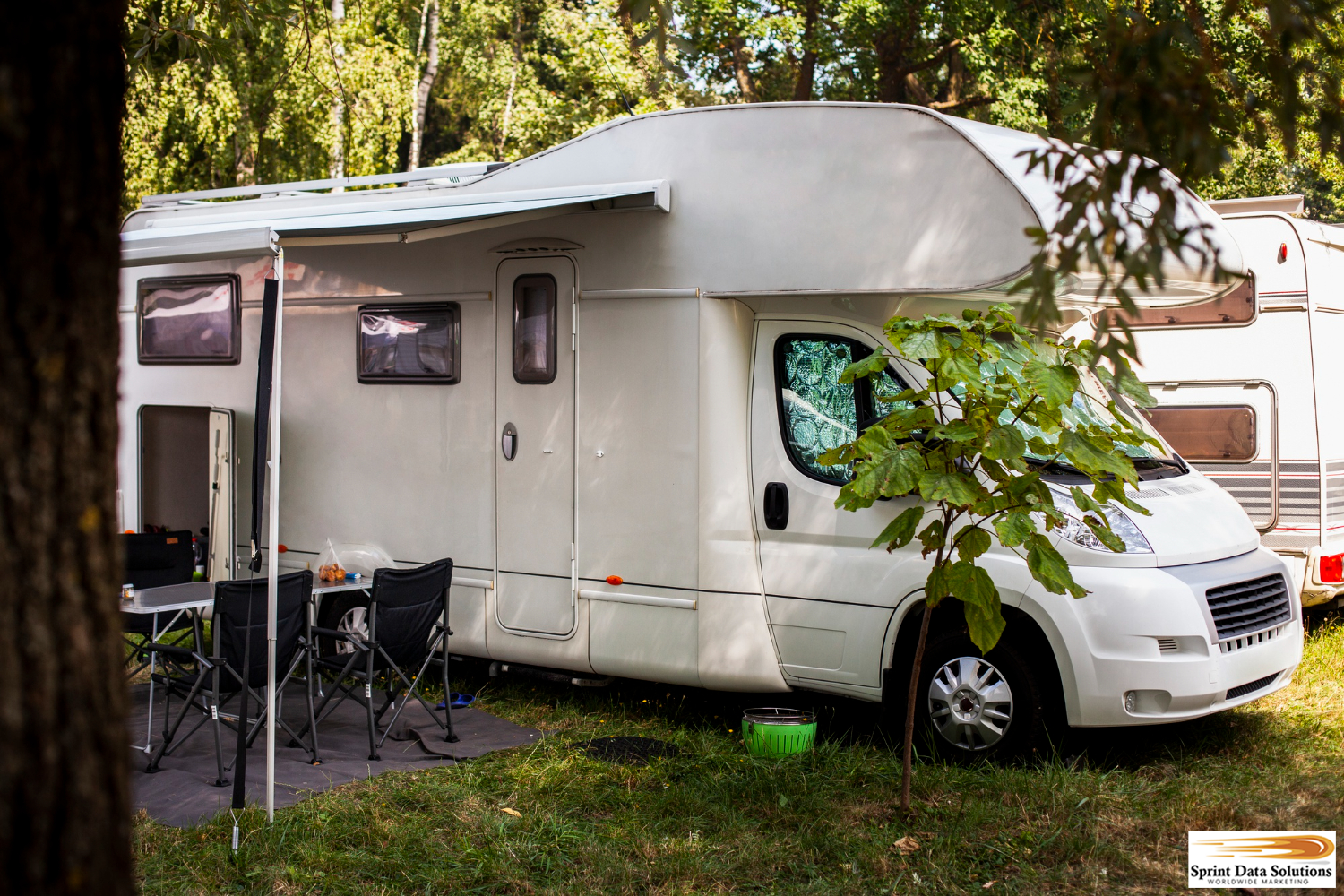
RVs have seen a surge in popularity over the past few decades, with more and more people opting for the freedom and flexibility they provide. In the United States, approximately 11.2 million households currently own an RV, and an additional 9.6 million households have expressed an interest in purchasing one within the next five years. Between 2001 and 2021, RV ownership in the U.S. grew by more than 62%, reflecting the increasing appeal of RVs for both recreational and practical purposes. In 2021, the U.S. RV market was valued at $33.95 billion, and it is expected to experience significant growth, reaching $59.16 billion by 2027, with a compound annual growth rate (CAGR) of 9.7%.
Several factors are driving this growth, with camping emerging as a major trend. The growing popularity of outdoor activities, particularly camping, is contributing to the rise in RV ownership. RVs provide the perfect combination of comfort and mobility, making them an ideal choice for those who want to explore the outdoors without sacrificing the conveniences of home. Millennials, in particular, are a driving force behind the RV trend. The rise of “van life” and off-grid living, heavily showcased on social media platforms, has encouraged many young people to embrace the RV lifestyle as a means of adventure and self-expression. The allure of escaping the conventional lifestyle and experiencing a more nomadic existence has made RVs increasingly popular among this demographic.
Another contributing factor to the surge in RV popularity is their appeal as an affordable housing option. As housing prices continue to rise in many areas, RVs offer a cost-effective alternative, allowing people to live in desirable locations without the high cost of traditional real estate. This trend has been especially appealing to those seeking mobility or looking for ways to reduce living expenses. Additionally, advancements in technology, such as the integration of solar power, satellite phones, and the ability to work remotely, have made RVs even more practical and attractive. These technologies allow RV owners to stay connected and live comfortably while on the road, further fueling the demand for RVs.
Valuable Demographics of RV Owners
The demographic landscape of RV owners is diverse, with a majority of them falling into the 55 and older age range. However, younger generations are increasingly joining the RV ownership trend. While the majority of RV owners are retired, with only 30% working full-time, a significant shift is taking place as Gen Z and Millennials drive the largest growth in new RV owners. In fact, 22% of RVs are owned by adults between the ages of 18 to 34, signaling a shift towards a younger, more adventurous demographic. Despite this youthful surge, 77% of RV owners do not live with children in the home, indicating that many RV owners are enjoying their mobility without the responsibility of family life.
Women make up the majority of RV owners, with 59% of the RV ownership demographic, while 40% are men. Financially, RV owners are generally well-positioned, with 54% reporting an average household income of over $65,000. This affluence allows them to invest in RV ownership, a lifestyle that requires not just an initial investment in the vehicle itself, but also regular maintenance, insurance, and other associated costs. The states with the highest concentration of RV owners are Indiana, California, and Texas, reflecting a broad geographic appeal across both urban and rural areas. Many RVs are also purchased in tax-free states such as Alaska, Delaware, Montana, New Hampshire, and Oregon, further adding to the appeal of RV ownership for those seeking to reduce their overall costs.
On average, RV owners use their vehicles for about 20 days a year, with the majority identifying as casual campers (39%) or family campers (33%). While 1.5% of RV owners live in their RV full-time, a growing number of people are choosing the RV lifestyle as a permanent living solution. Among full-time RV dwellers, 70% are women, highlighting the appeal of the mobile, flexible lifestyle to a significant portion of the female population.
RV Owners Are an Ideal Target for Many Industries
The RV ownership market presents a unique and valuable audience for a wide range of industries, not just those directly related to RVs. Beyond the vehicle itself, RV owners require a variety of products and services, from essential home goods to recreational accessories and specialized insurance.
Here are just some of the industries that can benefit from our RV owners list:
Insurance
RV ownership involves specific insurance needs that cater to both the vehicle and its occupants. All states require RV owners to maintain at least a minimum of liability insurance, and many opt for more comprehensive policies that include property damage (PD) and bodily injury (BI) coverage. For those who live in their RVs full-time, the need for robust protection increases, and many choose “full coverage insurance,” which includes comprehensive (comp) and collision (coll) insurance. These policies protect against a wide range of risks, ensuring that RV owners are covered in the event of accidents, theft, or damage.
In addition to the basic coverage, RV owners often select a variety of add-ons to enhance their protection. Popular options include uninsured motorist/underinsured motorist (UM/UIM) coverage, which offers financial protection in the event of an accident with a driver who lacks sufficient insurance. Medical payments (med pay) coverage ensures that medical expenses are covered in the event of an accident, regardless of who is at fault. Roadside assistance is another key add-on that provides support in case of a breakdown, a critical service for RV owners traveling long distances.
RV owners also seek specialized coverages such as vacation liability insurance, which protects them while they are away from home, and personal effects coverage, which insures the belongings they bring with them on their travels. Towing coverage is another valuable add-on for RV owners, ensuring that their vehicle can be towed in case of an emergency. With a diverse range of needs, RV owners present a prime target for insurance providers offering tailored policies to safeguard their unique lifestyle.
Travel and Tourism
RV owners are passionate travelers who enjoy exploring the great outdoors, particularly through visits to national parks, state parks, and national forests. These natural wonders offer the perfect setting for RV owners to experience the beauty of nature without sacrificing the comfort of home. In addition to public and private RV sites, many RV owners are drawn to unique roadside attractions, charming small towns, and off-the-beaten-path destinations. The travel and tourism industry can greatly benefit from targeting RV owners, as they are already equipped to travel without the need for traditional accommodations like hotels or resorts. RV owners are often looking for new places to explore, making them an ideal audience for tourism companies. Adventure tour companies, especially those catering to specific types of RVs like toy haulers, can also find significant value in connecting with this group, offering experiences tailored to the unique needs of RV travelers.
Trucks and Other Towing Vehicles
RV trailer owners rely heavily on tow-capable vehicles to move their trailers from place to place. These towing vehicles are typically large trucks with powerful engines and significant towing capacities. SUVs and off-road vehicles, such as Jeeps, are also popular among RV owners, as they offer versatility and the ability to navigate rough terrains and off-road trails. These vehicles need to be equipped with towing hitches to ensure safe and efficient hauling. Auto dealerships, particularly those specializing in heavy-duty trucks and tow-capable SUVs, can benefit from marketing to RV owners. Offering products that cater to RV enthusiasts—such as trucks with higher towing capacities, tow packages, and accessories for safe towing—can attract this growing demographic of travelers who need reliable vehicles for their RV adventures.
Navigation Devices
Navigating the open road is essential for RV owners, and having the right tools to guide their travels is crucial. Many RV owners rely on GPS systems, with in-dash navigation systems being among the most common. Smartphones also serve as important navigation tools, often paired with apps specifically designed for RV routes. For those RV owners who prefer to go off the beaten path, satellite navigation systems become indispensable, as they provide navigation capabilities in areas where cellular networks may not reach. Whether they are exploring remote wilderness areas or navigating unfamiliar cities, having access to accurate and reliable navigation tools is vital. Businesses that sell GPS devices, satellite systems, or RV-specific route planning apps can effectively target this market by offering products designed specifically for the unique needs of RV owners.
Off-Grid Technology
As more RV owners seek to explore remote and off-the-grid locations, off-grid technology has become increasingly popular. Items like solar panels, water filters, and satellite antennas are essential for those who want to live independently while traveling. Off-grid technology allows RV owners to maintain power, clean water, and communication capabilities while in areas far from traditional infrastructure. This is particularly popular among Millennials and owners of Class B campervans, who are more likely to embrace off-grid living. Toy hauler owners also value off-grid technology to maintain the comforts of home while camping in remote locations or at base camps. Additionally, environmentally conscious RV owners are increasingly seeking out green alternatives, such as composting toilets, gray water systems, and eco-friendly solutions to replace traditional household amenities. This trend presents opportunities for businesses to market products that cater to the growing demand for sustainable and off-grid technologies in the RV community.
Internet Accessibility Technology
For RV owners who live full-time in their vehicles, staying connected to the internet is essential, particularly as the number of remote workers on the road continues to rise. Satellite internet and television services have become essential for those who need to maintain a reliable connection while traveling in remote areas. Signal-boosting antennas, cellular internet equipment, and mobile hotspots are also popular among RV owners, helping to ensure reliable internet access wherever they go. These technologies are especially important for remote workers who rely on stable internet connections to do their jobs while on the road. Internet service providers that cater to this growing segment of RV owners can benefit from offering flexible, nationwide coverage, as many full-time RVers use multiple providers to maximize their access and coverage while traveling. By offering products and services that ensure internet connectivity, businesses can tap into a lucrative and expanding market of RV owners who are always on the move but never disconnected.
Outdoor Outfitters
RV owners are passionate about exploring the great outdoors, and their vehicles serve as the perfect base for outdoor adventures. As such, they frequently purchase outdoor equipment to enhance their experiences. Many RV owners invest in recreational vehicles such as mountain bikes, dirt bikes, enduro motorcycles, and quads to explore rugged terrains and remote areas. Water sports enthusiasts often buy kayaks, canoes, or jet skis to enjoy lakes, rivers, and coastal adventures. In addition to outdoor vehicles, RV owners purchase camping gear such as durable cookware, high-quality lighting, and versatile camp tools, which are essential for creating comfortable and functional campsites. They also stock up on tents, awnings, and camping furniture to further enhance their outdoor living spaces and make their adventures more enjoyable.
Outdoor apparel is another key category, as RV owners frequently invest in clothing designed for rugged environments. Hiking boots, base layers, cargo pants, and weather-resistant jackets are common purchases for those who spend significant time in nature. Additionally, many RV owners are avid fishermen and hunters, so they also invest in fishing rods, tackle boxes, hunting gear, and other outdoor accessories. This wide range of outdoor equipment makes RV owners an ideal target market for businesses in the outdoor recreation sector, from sporting goods stores to companies that offer specialized gear for camping, fishing, and other outdoor activities.
Mechanical Tools
Both motorhome and trailer RV owners understand the importance of self-sufficiency when it comes to maintaining and repairing their vehicles. Routine maintenance is a necessity for ensuring that their RVs remain in good working condition during long road trips, and many owners prefer to take matters into their own hands. As a result, RV owners often invest in a variety of mechanical tools to perform repairs and maintenance on the road. Commonly carried tools include tire inflators, battery chargers, diagnostic sensors, and emergency tool kits. In addition, RV owners typically pack a set of standard mechanical tools such as wrenches, socket sets, and screwdrivers to address common issues that may arise during travel.
Beyond standard mechanical tools, RV owners also keep emergency kits on hand, including safety equipment like fire extinguishers, first aid kits, and flare guns. These tools are essential for handling unexpected situations while on the road, especially when traveling through remote areas where professional assistance may be far away. The need for reliable, high-quality tools and emergency equipment makes RV owners a valuable market for businesses that specialize in automotive repair tools, emergency gear, and travel-ready maintenance solutions.
Small Kitchen Appliances
Space is always a premium in RVs, especially for full-time RV dwellers who rely on their vehicles for daily living. As a result, RV owners are constantly looking for ways to maximize the functionality of their kitchens without sacrificing precious space. Small kitchen appliances are a popular investment for RV owners, as they help them prepare meals efficiently while conserving space. Full-time RV owners often purchase compact appliances like Instant Pots, air fryers, and microwaves to replace bulky traditional kitchen appliances. These appliances are perfect for creating a homey, functional kitchen without taking up unnecessary space.
For recreational RV owners who only use their vehicles for short trips or weekend getaways, small kitchen appliances for entertainment are also in demand. Ice makers, margarita machines, and ice cream makers are common purchases for those who want to enjoy the comforts of home and entertain guests while on the road. These appliances allow RV owners to enjoy their favorite foods and beverages in a convenient, space-saving manner. With the growing number of RV enthusiasts seeking more comfortable and efficient travel experiences, the demand for innovative and compact kitchen appliances continues to rise, making this a valuable market for businesses in the home appliance and outdoor recreation sectors.
Specialty RV Accessories
RV owners often invest in a variety of accessories to enhance their RV experience and ensure their vehicles are equipped for a range of activities. Common accessories include surge protectors, sewage hoses, and water pressure gauges to maintain the integrity of the RV’s systems while on the road. Many RV owners also opt for specialized furniture to maximize comfort and space within their RVs. Telescoping tables, mounted gliders, and memory foam mattresses are popular choices that provide convenience and comfort for long trips. Owners of Class B RVs, which tend to be smaller and more compact, often seek modular furniture and space-saving appliances that can be easily stowed away when not in use. Additionally, electrical system devices like inverters are commonly purchased to convert power from external sources to a usable form for the RV’s needs. These accessories are essential for improving both the functionality and the comfort of RV life, offering enhanced convenience and customization for each owner’s unique needs.
Storage
For RV owners who do not live in their RVs full-time, finding suitable storage is a top priority. Self-storage facilities that offer both indoor and outdoor options are well-positioned to serve this growing market. RVs can be large and cumbersome, making it important for owners to find secure, accessible places to store their vehicles when they’re not in use. Many RV owners also invest in protective covers and jacks to safeguard their vehicles while in storage. These protective accessories help prevent damage from environmental elements such as sun, rain, and snow, which can cause wear and tear over time. Additionally, many RV owners seek security systems to monitor their vehicles while in storage, ensuring peace of mind and protection from theft. Businesses that offer specialized storage solutions, as well as protective accessories, can tap into this need and cater to the RV community by providing secure and convenient storage options that ensure their vehicles remain in optimal condition when not on the road.
Towable and Drivable RVs
The RV market is generally divided into two primary categories: drivable RVs, also known as motorhomes, and towable RVs. Drivable RVs are full vehicles that can be driven directly from one location to another, offering the convenience of travel without needing an additional vehicle. These motorhomes come in various sizes and configurations, ranging from compact models to large, luxury vehicles that offer all the comforts of home on the road. Towable RVs, on the other hand, require another vehicle, such as a truck or SUV, to tow them to their destination. These RVs are typically more affordable than motorhomes, making them a popular choice for individuals seeking a more economical option. While towable RVs offer fewer amenities than drivable models, they still provide a comfortable and enjoyable travel experience. There are also significant differences in pricing within both categories of RVs, as some models come with high-end luxury features, while others focus on simple comforts for a more budget-conscious option. Regardless of the type, RV ownership remains a highly sought-after lifestyle, with owners looking for a balance of functionality, comfort, and affordability in their vehicles.
The Different Types of RVs
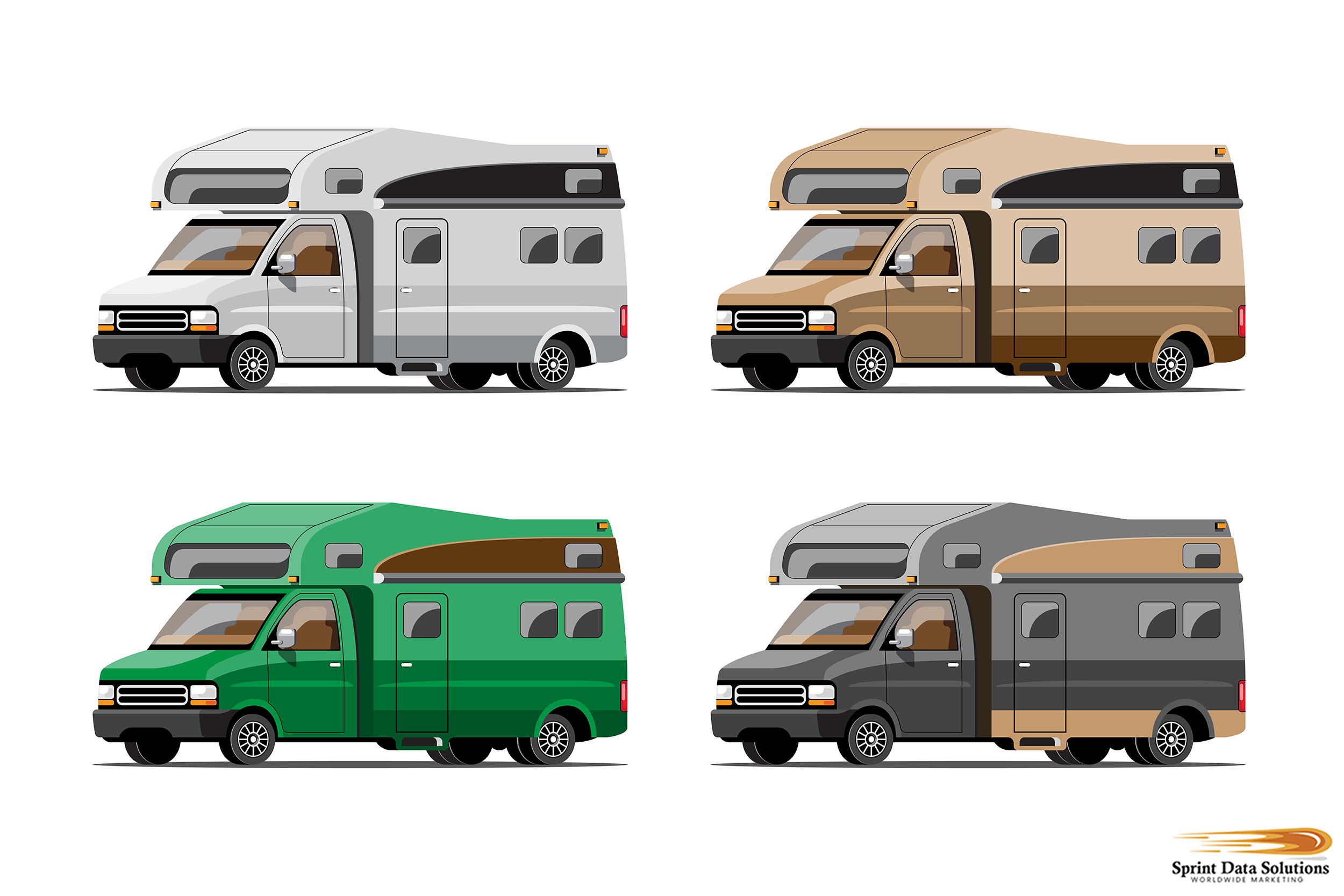
The world of RVs is diverse, with a wide variety of models designed to meet different needs and preferences. Whether you’re looking for a vehicle for full-time living or one that’s perfect for weekend getaways and camping, there’s an RV style to suit every purpose. These RVs fall into two primary categories: drivable and towable, but each category has a wide range of options with varying features, sizes, and capabilities. Understanding the differences between these RV types can help potential buyers find the perfect match for their lifestyle and budget.
Class A
Class A RVs are the largest and most luxurious type in the market, often resembling large city buses in size. There are two primary variants of Class A RVs: gasoline-powered and diesel-powered, the latter being known as “diesel pushers.” Class A motorhomes are designed for those who want to live on the road full-time without sacrificing comfort. These RVs are equipped with residential-style amenities such as full-sized kitchens, high-end appliances (including refrigerators, microwaves, and washing machines), master bathrooms with showers and bathtubs, and spacious living areas. Many Class A RVs also feature slide-outs, which expand the living space when the vehicle is parked, making them even more spacious. These RVs offer ample storage space for personal items and are ideal for long-term living or extended road trips. However, their size and fuel consumption can make them expensive to operate, and maneuvering them through tight spaces or city streets can be challenging. Despite the costs, Class A RVs are a popular choice for those seeking a mobile home experience.
Class B
Class B RVs, commonly referred to as camper vans, are a growing trend, especially among Millennials and Gen Z. These RVs are built on a van or truck chassis and typically range from 18 to 25 feet in length. Because of their compact size, Class B RVs are easy to drive and park, making them a great option for city dwellers or those who prefer a more discreet vehicle while traveling. The fuel costs for these RVs are generally lower than larger models, making them more economical for frequent travel. Class B RVs are highly favored by adventurers, particularly those who enjoy exploring off-the-beaten-path locations or urban environments. Though they are small, Class B RVs are designed to maximize space efficiently, with cleverly integrated features like compact kitchens, bathrooms, and sleeping areas. While many use them for short camping trips or weekend getaways, an increasing number of people are opting to live full-time in these versatile, self-contained vehicles. Their flexibility and ease of use make them perfect for those seeking a more minimalist, mobile lifestyle.
Class C
Class C motorhomes are a popular choice for those who need the comfort and amenities of a Class A but at a more affordable price. These RVs are typically smaller than Class A models and feature a cabover design, where a bed or additional storage space is located above the driver’s cabin. Class C motorhomes offer many of the same amenities as Class A RVs, including fully equipped kitchens, bathrooms, and spacious living areas. Some Class C models come with slide-outs to provide additional space, while others are more compact. One of the key advantages of Class C RVs is their maneuverability. They are easier to drive and handle compared to larger Class A motorhomes, and they fit into most standard campsites. This makes them an excellent choice for families, as they can comfortably accommodate several people, often with separate sleeping spaces for kids and adults. Class C RVs are also more affordable to operate, with lower fuel costs and a smaller upfront investment compared to Class A RVs. They strike a balance between comfort, affordability, and convenience, making them a popular option for families and those who enjoy both camping and full-time RV living.
Pop-Up Trailers
Pop-up trailers are specifically designed for those who love to camp but want the added comfort of an upgraded shelter. These compact trailers are easy to tow, as they collapse into a smaller, more manageable size for transportation. Once at the campsite, pop-up trailers “pop up” to reveal expandable canvas sides that create a comfortable and functional living space. They often feature fold-out extensions that provide extra room, making them a more spacious alternative to traditional tents. While they maintain the rustic charm of camping outdoors, pop-up trailers offer the added benefit of keeping campers off the ground, offering a more comfortable sleeping experience. Pop-up trailers are incredibly popular with families and outdoor enthusiasts who seek an affordable and lightweight option for camping. They provide a great balance between comfort and portability, making them the most affordable RV option for those looking to get into the RV lifestyle without a significant financial investment.
Teardrop Trailers
Teardrop trailers offer a unique and highly efficient camping experience, with a design that prioritizes portability and functionality. Named for their distinctive teardrop shape, these trailers are compact and easy to tow, making them ideal for those looking to travel with minimal hassle. Teardrop trailers provide a step up from tents by offering a sheltered space that can accommodate a bed and, in many cases, a small kitchen or storage area. While they may not feature the full suite of amenities found in larger RVs, teardrop trailers provide the essentials, such as a compact kitchen, sleeping areas, and sometimes even a small bathroom. These trailers are lightweight and can typically be towed by smaller vehicles, making them an accessible option for a wide range of campers. Despite their smaller size, teardrop trailers are well-suited for those seeking a no-frills, efficient way to camp with added comfort. They offer an excellent choice for individuals or couples looking to travel light and still enjoy a more comfortable camping experience.
Travel Trailers
Travel trailers are among the most popular types of towable RVs and are a favorite choice for both recreational campers and full-time RV dwellers. These trailers are designed to be towed by a vehicle via a hitch and are typically parked at campsites during trips. Travel trailers are known for offering a high level of comfort and convenience, often featuring fully equipped kitchens, bathrooms with modern amenities, living spaces, and even sleeping quarters that can accommodate multiple people. The versatility of travel trailers makes them perfect for families who enjoy camping or for those who choose to live in them full-time. Many travel trailers come in a variety of sizes and layouts, from compact units ideal for couples to large models designed to accommodate entire families. Though travel trailers are generally affordable compared to motorhomes, they do require a vehicle with sufficient towing capacity, which adds an extra consideration for potential buyers. With their wide range of amenities and flexible uses, travel trailers provide an ideal option for those who want to enjoy the comforts of home while exploring the great outdoors.
Toy Haulers
Toy haulers are the perfect RV for outdoor enthusiasts who want to bring their adventure equipment along for the ride. Designed with a large garage space, toy haulers can accommodate a variety of outdoor toys such as dirt bikes, ATVs, 4x4s, and jet skis, making them ideal for active families or individuals. Available in both travel trailer and fifth-wheel configurations, toy haulers provide a versatile option for those who need both transportation and living space. Some motorhomes can also be classified as toy haulers, offering the convenience of driving your RV without the need for a separate tow vehicle. In addition to the spacious garage, toy haulers come with comfortable living quarters, including kitchens, bathrooms, and sleeping areas. Many models are designed to accommodate large groups or families, making them a popular choice for those traveling with multiple people. For those who want to enjoy the outdoors even more, some toy haulers come equipped with built-in decks that slide out to create an ideal space for relaxing or enjoying the scenery. Toy haulers make an excellent base camp for hunters, riders, and anyone who loves outdoor sports, offering the convenience of storing gear while providing ample living space for relaxation after a day of adventure.
Fifth-Wheel Trailers
Fifth-wheel trailers are the largest and most luxurious type of towable RV, specifically designed to be pulled by a large pickup truck using a fifth-wheel hitch. These trailers are known for their spacious interiors and are built to accommodate full-time living, providing all the comforts of home. Fifth-wheel trailers typically feature modern appliances, electronics, and upgraded amenities, with many models offering off-grid capabilities for those who prefer remote locations. To maximize living space, many fifth-wheel trailers include slide-outs that expand the interior when parked, creating more room for living and storage. These trailers are often equipped with expansive floor plans that can include multiple bedrooms, bathrooms, and large living areas, making them perfect for families or individuals who plan to live on the road. Because of their size and design, fifth-wheel trailers are perfect for those who want to travel with all the comforts of home while still having the ability to detach and explore their surroundings. Their luxurious features and versatile designs make them a popular choice for those looking for a more permanent mobile living situation or for long-term travelers who want to enjoy the RV lifestyle without compromising on space or comfort.
Truck Campers
Truck campers offer a unique and practical RV solution for those who prefer the convenience of a smaller, more compact setup without sacrificing functionality. Designed to fit into the bed of a pickup truck, truck campers convert the vehicle into a fully functional motorhome. This design allows for easy driving and maneuverability, making truck campers ideal for off-road adventures, camping, or exploring remote locations where larger RVs may have trouble reaching. Truck campers are similar to Class B RVs in terms of the amenities they provide, offering a compact but comfortable living space. The sleeping area is typically located in a cabover profile above the truck cabin, similar to Class C RVs, and provides space for a bed and storage. Many truck campers also include a small kitchen, bathroom facilities, and a dinette area. Truck campers are an affordable and highly versatile option, providing a combination of the easy-driving characteristics of a motorhome with the affordability of a travel trailer. Whether for weekend getaways, extended road trips, or off-grid camping, truck campers are an excellent choice for those who want to travel light while still enjoying the comforts of home on the road. These RVs are particularly popular among adventure seekers and off-road enthusiasts who value flexibility, portability, and the ability to go wherever the road (or trail) may take them.

We Can Help You Tap Into This Growing Market
Founded in Las Vegas by a service-disabled veteran, Sprint Data Solutions Worldwide Marketing has positioned itself as a leader in data-driven marketing solutions, providing businesses with unparalleled access to one of the largest and most comprehensive consumer databases available. As the market for RV owners continues to expand, we specialize in offering highly targeted, niche lists, including segments like RV ownership, to help you connect with the right customers. Our robust database includes in-depth demographic, psychographic, and lifestyle information, allowing you to gain valuable insights into the preferences, behaviors, and characteristics of your target audience. With our specialized lists, you can tailor your marketing campaigns to reach the ideal consumer, ensuring your messaging is relevant and personalized.
At Sprint Data Solutions Worldwide Marketing, we pride ourselves on the quality and accuracy of our data. We understand that reliable data is essential to the success of any marketing initiative, which is why we adhere to the highest standards when collecting and vetting information. Our strict data collection protocols are designed to ensure that the lists we provide are not only up-to-date but also comprehensive and accurate. To further enhance the integrity of our data, we employ industry-leading verification systems, such as the National Change of Address (NCOA) and the Certified Address Accuracy System (CAAS), to confirm the validity of our contact information. In addition, our in-house screening checks are implemented to ensure that every entry meets our rigorous standards. These measures guarantee that the data you receive is reliable and ready to help you target the right clients, maximize the effectiveness of your campaigns, and significantly improve the return on investment (ROI) for your marketing efforts. With Sprint Data Solutions Worldwide Marketing, you can trust that you are working with the best data available to propel your business forward.
Target The Right RV Owner For Your Campaign
With a high-quality list from Sprint Data Solutions Worldwide Marketing, you gain the ability to effectively engage with your target audience using messaging that truly resonates. Our comprehensive and detailed data sets allow you to address your audience’s unique pain points, providing valuable insights into their behaviors, needs, and preferences. Whether you’re seeking to promote products, services, or specific offers, our targeted lists enable you to identify and connect with the ideal customers for your business. Our lists are highly versatile and can be used for a variety of marketing channels, including email campaigns, direct mail efforts, and other personalized outreach strategies.
When you invest in a list from Sprint Data Solutions Worldwide Marketing, we don’t just provide data—we guide you through the process. Our team will help you understand how to leverage the data effectively, ensuring that your marketing efforts are optimized for the best possible return on investment (ROI). We will assist you in targeting the right individuals, fine-tuning your messaging, and maximizing the success of your campaigns. With our expertise and the power of accurate, up-to-date data, you can increase your outreach, improve engagement rates, and drive conversions.
Take the first step toward improving your marketing strategy today by contacting Sprint Data Solutions Worldwide Marketing. Our dedicated and knowledgeable team is ready to answer any questions, assist with your data needs, and help you find the perfect list that aligns with your goals. Let us support you in reaching the right audience and achieving measurable results.