

Boat Owners Are An Excellent Target Market
Boat owners are an adventurous and dynamic demographic, defined by their love for the outdoors and their passion for exploration. Whether they use their boats for relaxation, water sports, or thrilling adventures, boat ownership symbolizes a lifestyle of freedom, independence, and connection to nature. Many boat owners spend their free time fishing, hunting, and enjoying various outdoor activities, while others take pride in using their boats as a gathering place for family and friends to enjoy scenic views and quality time together. From weekend outings to epic voyages across oceans and rivers, boat owners are constantly seeking new experiences and challenges on the water.
This group is composed of individuals who are active, skilled, and resourceful. They value their time and the experiences that allow them to disconnect from the stresses of daily life. Because boat owners often invest significant time and money into their boats, they are naturally inclined to spend on related products and services that improve their boating experiences. Whether it’s maintenance products, boating accessories, water sports gear, or navigational tools, boat owners are highly engaged consumers who appreciate high-quality, durable, and reliable products.
While boat owners are active consumers, reaching them can be challenging. Many spend a large portion of their time on the water, which can make traditional, passive marketing approaches less effective. However, by targeting this demographic with well-placed, strategic marketing, businesses can tap into a valuable and responsive market. Sprint Data Solutions Worldwide Marketing offers a specialized boat owner mailing list that helps businesses effectively connect with this audience. Our database includes comprehensive demographic information, allowing for personalized outreach and tailored messaging.
With a highly targeted marketing campaign, businesses can effectively engage boat owners with relevant products and services. Whether offering maintenance tools, outdoor gear, or boating accessories, connecting with boat owners through direct mail, email, or SMS campaigns allows businesses to reach this passionate and active group. Our boat owner list provides the opportunity for businesses to connect with a community that values quality, adventure, and personal freedom, ensuring higher engagement and a strong return on investment.
Boats Are Growing In Popularity Every Year
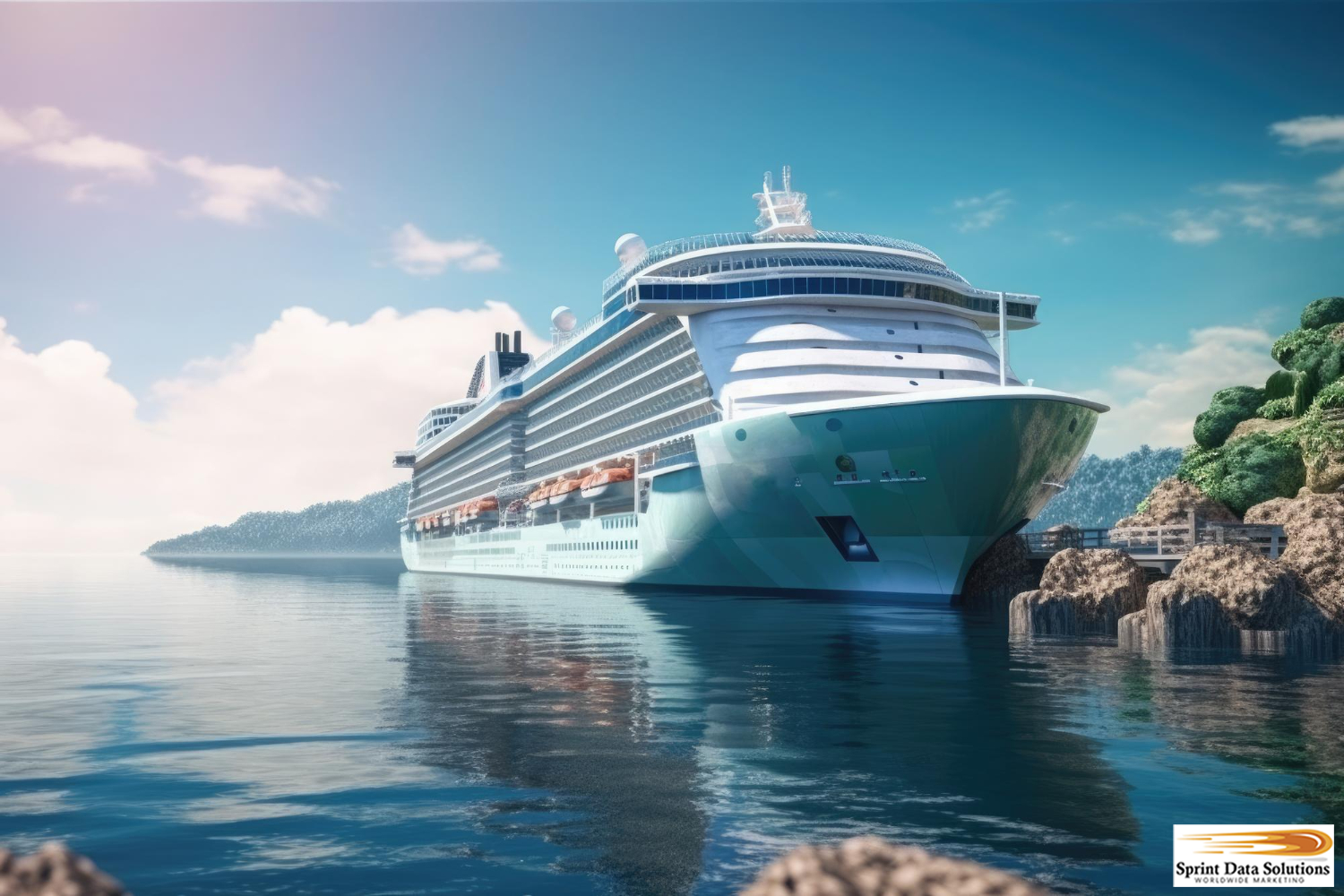
The recreational boating market in the U.S. is experiencing significant growth, with a valuation of $16.26 billion in 2021, expected to reach $26.18 billion by 2027, reflecting a compound annual growth rate (CAGR) of 8.26%. This growth is fueled by several key factors, including advancements in marine technology, the increasing popularity of outdoor sports, and a surge in tourism activities. Additionally, boats are becoming more commonly used by small businesses for unique purposes, such as hosting clients, operating floating restaurants, and offering tours. This trend signifies that boating is no longer just a pastime but is evolving into a vital part of the economy, influencing industries far beyond traditional marine-related sectors.
Boat Owner Demographics
Each year, more than 100 million Americans participate in boating activities, which constitutes nearly one-third of the total U.S. population. Around 12% of U.S. households own a boat, making it a substantial market. The average age of a boat owner is 54 years old, but the number of younger boat owners is growing, with millennials now making up 31% of all boat owners. These individuals are typically middle-class to high-income earners, and many fall within the high-net-worth category. Approximately 61% of boat owners have a household income of less than $100,000 per year, and the average cost of owning a boat in the U.S. ranges from $5,000 to $8,000 annually. This growth is also being propelled by the increasing ease of online boat sales, which simplifies the purchasing process for new and experienced buyers alike.
Boat Owners Are The Ideal Market For Many Industries
Boat owners represent an excellent target market for a wide variety of industries, especially those aligned with outdoor and luxury goods. Here are some key sectors that can greatly benefit from targeting boat owners:
Boat Insurance
In the U.S., boating is considered an enjoyable pastime and an essential mode of recreation, but it also comes with the responsibility of maintaining the right insurance coverage. Most states require at least a minimum amount of liability insurance to operate a boat, which typically includes property damage (PD) and bodily injury (BI) protection. However, many boat owners opt for more comprehensive coverage, such as comprehensive (comp) and collision (coll) insurance, which provide full protection in the event of accidents, theft, or natural disasters. Additional coverage options include medical payments (med-pay), personal injury protection (PIP), and personal effects coverage, which are particularly valuable for boat owners who enjoy outdoor activities like fishing and sports on the water. Roadside assistance coverage can also be beneficial for boat owners who travel long distances by road to get to their favorite boating spots.
Travel and Tourism
Boat owners are avid travelers, and many prefer to explore scenic waterways, whether on freshwater lakes or along the coastlines. This presents an excellent opportunity for businesses in the travel and tourism sector. Travel companies located near lakes, rivers, or oceans can greatly benefit from targeting boat owners. These individuals often need accommodations near popular waterways, such as hotels, motels, and short-term rentals with easy access to boat ramps and marinas. Many boat owners also enjoy camping, fishing, and hunting, so businesses that offer outdoor activities, guided tours, and wilderness trips are also an ideal match for marketing campaigns aimed at this group. With the boat owners list from Sprint Data Solutions Worldwide Marketing, travel companies can specifically target this adventurous demographic.
Docks
Boat owners with larger vessels, such as yachts, houseboats, and pontoons, often store their boats at docks rather than towing them. For these boat owners, having access to a dock is a critical part of boat ownership. Some have private docks on their own properties, while others rent dock space at popular marinas and waterfront locations. Additionally, many boat owners also make use of boat lift services to keep their boats elevated and protected from water damage and other environmental factors. If you run a dock production or rental service, Sprint Data Solutions Worldwide Marketing can help you target the right boat owners who need docks for both short- and long-term storage. Offering dock maintenance services or accessories can also be a lucrative opportunity for businesses targeting this group.
Boat Storage
For boat owners who don’t store their vessels at docks, storage is a top priority. Many boat owners use self-storage facilities or outdoor storage lots to protect their boats when not in use, especially during the off-season or harsh weather conditions. For these customers, storage accessories such as boat covers, which protect their boats from the elements, are highly popular. Boat lifts, jacks, and other equipment are also in demand to keep boats elevated, preventing them from coming into contact with the ground and protecting them from corrosion and damage. In addition to larger boats, owners of smaller watercraft, such as kayaks and canoes, often use garage hoists and overhead storage solutions to save space and prevent damage. Self-storage facilities and manufacturers of these accessories can leverage Sprint Data Solutions Worldwide Marketing’s boat owners list to reach these potential customers, ensuring a targeted and effective marketing strategy.
Tow-Capable Vehicles
Tow-capable vehicles, such as heavy-duty trucks, SUVs, and 4x4s, are crucial for many boat owners. Those who don’t have a dock at their home or prefer to transport their boats to different bodies of water require a vehicle capable of towing. A powerful tow vehicle is necessary to handle the combined weight of both the boat and the trailer, especially for larger boats like yachts and pontoon boats. While smaller boats such as kayaks and fishing boats can sometimes be hauled by regular sedans or compact vehicles, most boat owners opt for trucks that are not only capable of towing their boat but also capable of hauling other necessary items such as fishing gear, coolers, life jackets, and other outdoor equipment. These tow-capable vehicles often become integral to a boat owner’s outdoor lifestyle, making them a key target for businesses selling vehicle-related products and services.
Boat Trailers, Vehicle Hitches, And Other Vehicle Accessories
In addition to owning a tow-capable vehicle, boat owners need specialized accessories to ensure they can properly transport their boats. A vehicle hitch is an essential component, as it is the part that connects the vehicle to the boat trailer. Boat trailers must be specifically designed to handle the size and weight of the boat, ensuring safe transportation. The increased strain from towing heavy boats leads to greater wear and tear on both the vehicle and the trailer. This means that boat owners often need more frequent maintenance on their vehicles, particularly on the tires, brakes, suspension, and electrical systems that control the trailer lights. Additionally, the maintenance of trailers, including the axle, tires, and bearings, is crucial for safe travel. Repair shops, auto service providers, and trailer parts suppliers can greatly benefit from marketing to boat owners using a targeted list. These vehicle accessories and maintenance services are necessary for boat owners who rely on their vehicles for safe and efficient transportation.
Boating Safety Gear
Safety is a top priority for boat owners, and they invest significantly in high-quality boating safety gear to ensure their own safety as well as the safety of their passengers. Essential safety equipment includes life jackets, personal flotation devices (PFDs), and throwable flotation devices that help prevent drowning in case of an emergency. In addition to the standard life-saving gear, boaters also use visual and sound signaling devices to alert others in case of distress. These safety measures are regulated by the U.S. Coast Guard and include flares, horns, and emergency signaling lights. A first aid kit, fire extinguishers, and flashlights are also critical pieces of equipment in case of accidents or sudden weather changes. Many boat owners seek the best and most reliable products to ensure they’re prepared for any unexpected situations on the water. Suppliers of boating safety equipment, from PFDs to emergency kits and signal devices, can tap into this growing market by targeting boat owners with the right messaging.
Communication Devices
Communication on the water is essential for boaters who often find themselves far from land and beyond the reach of cellular networks. Boat owners commonly invest in communication devices to stay connected or call for help in case of an emergency. The most popular communication devices are Very High Frequency (VHF) radios, which allow boaters to communicate with nearby vessels or reach the Coast Guard and emergency services. Satellite phones are also commonly used, especially for those venturing far out into open water, where traditional communication methods are unavailable. These devices are often lifesaving and allow boaters to remain in contact with the outside world. As boating enthusiasts continue to explore remote areas, the demand for reliable communication tools is growing, making it an excellent market for companies selling VHF radios, satellite phones, and other communication technologies designed for maritime use.
Navigation Tools
Navigation is crucial for all boat owners, whether they are leisurely cruising on calm lakes or embarking on long ocean voyages. Traditional methods like dead reckoning, pilotage, celestial navigation, and the use of compasses are still valued by some boaters who prefer the classic techniques of navigation. However, many boat owners today rely on advanced technology for navigation, including GPS systems, motion sensors, and satellite imagery. These devices allow for real-time tracking and highly accurate positioning, helping boaters navigate with ease and confidence. Additionally, radar systems are vital for avoiding collisions, especially in poor visibility conditions such as fog. With the growing reliance on technology, the demand for navigation tools is rising, creating opportunities for companies that specialize in manufacturing and distributing such products. Our boat owners list can help target this specific demographic of boaters, whether they seek the latest in GPS technology or prefer traditional navigation tools like paper charts and compasses.
Outdoor Gear
Boat owners are inherently outdoor enthusiasts, often taking their passion for the water beyond boating itself. Many boaters also enjoy other outdoor activities such as fishing, hiking, hunting, and camping. As a result, the market for outdoor gear among boat owners is substantial. Fishing gear, including rods, reels, lures, and tackle boxes, is a common purchase for boat owners, particularly those who enjoy recreational fishing. In addition to fishing, boat owners often invest in camping equipment such as durable tents, sleeping bags, portable grills, and waterproof backpacks for their excursions. For boat owners who use their boats for hunting trips, specialized gear such as waders, hunting optics, firearms, and ammunition are also high on their shopping lists. Outdoor gear companies can leverage our boat owners list to specifically target this active and adventurous demographic, offering the right products for their camping, fishing, hunting, and boating needs.
Boat Maintenance Tools
Maintaining a boat is no small task, and many boat owners prefer to handle repairs and upkeep themselves. Regular maintenance ensures that boats are in good working order and ready for use at a moment’s notice. Boat maintenance tools are essential for both routine tasks and unexpected repairs. Common tools include basic hand tools such as pliers, screwdrivers, and wrenches. However, specialized tools are also necessary for tasks specific to boating, such as rigging knives, tow ropes, and moisture meters for checking the boat’s structural integrity. For boats with engines, boat owners will need tools and supplies like fuel, oil, lubricants, multimeters, charging devices, and jumper cables. During emergencies, boat owners often carry waterproof flashlights, flares, and emergency repair kits. Companies that sell boat maintenance tools, equipment, and supplies can significantly benefit from targeting boat owners through our specialized lists, offering them the necessary products to keep their boats in peak condition.
Boat Accessories
Boats are equipped with a wide range of accessories designed to enhance comfort, safety, and functionality. For example, boats often require specialized furniture and fixtures, including tables, chairs, and cup holders that need to be securely bolted down to avoid movement on rough waters. Boat owners also need accessories that cater to specific boating needs, such as helm pads, anchors, and dock lines for securing the boat when it’s not in use. Electrical accessories, such as batteries, waterproof chargers, and system parts, are also essential for powering onboard equipment. For owners of sailing boats, sails and rigging are critical accessories that require replacement and upkeep. Mooring gear, which includes ropes, fenders, and cleats, is essential for docking boats safely. The demand for these accessories is high among boat owners, creating significant opportunities for businesses in the marine accessories market. By targeting boat owners with our specialized list, companies can reach the right audience for their boat-specific products.
Alcohol
Boat owners, especially those with larger vessels like pontoon boats, yachts, and cruisers, often enjoy entertaining guests while out on the water. Alcoholic beverages such as beer, wine, champagne, and cocktails are popular choices for relaxing and socializing with friends and family. In addition to direct alcohol sales, boat owners frequently purchase accessories designed to enhance their drinking experience, including koozies, coolers, insulated cups, and wine buckets to keep beverages cold in the sun. These items are essential for creating an enjoyable atmosphere, especially for long days on the water. Boat owners are always on the lookout for practical and stylish solutions to serve and store drinks efficiently while out on the water, making this a lucrative market for alcohol and related accessories.
Watersport Gear, Games, And Toys
Recreational activities are a key part of boating life, with watersports being one of the primary ways boat owners enjoy their time on the water. Accessories such as wakeboards, tubes, water skis, and knee boards are popular among boat owners who love thrill-seeking activities. For those who prefer a more relaxed experience, inflatable floatables, sea scooters, and other water toys are a favorite. Many boaters, particularly those living near the coasts, invest in diving and scuba equipment to explore the ocean’s depths and local reefs, turning their boating adventures into a full outdoor water activity experience. Additionally, boat owners often seek out outdoor games for fun gatherings on the water, such as cornhole, ring toss, and floating volleyball nets. This demographic presents a significant opportunity for companies offering watersport gear, aquatic accessories, and outdoor games, as they continually look to upgrade their equipment for both performance and fun.
The Four Classes Of Boats
Boats are classified into four primary categories based on their length. Understanding these classifications is crucial for businesses targeting boat owners, as each class tends to have specific needs and preferences in terms of products, services, and accessories.
The Different Boat Categories
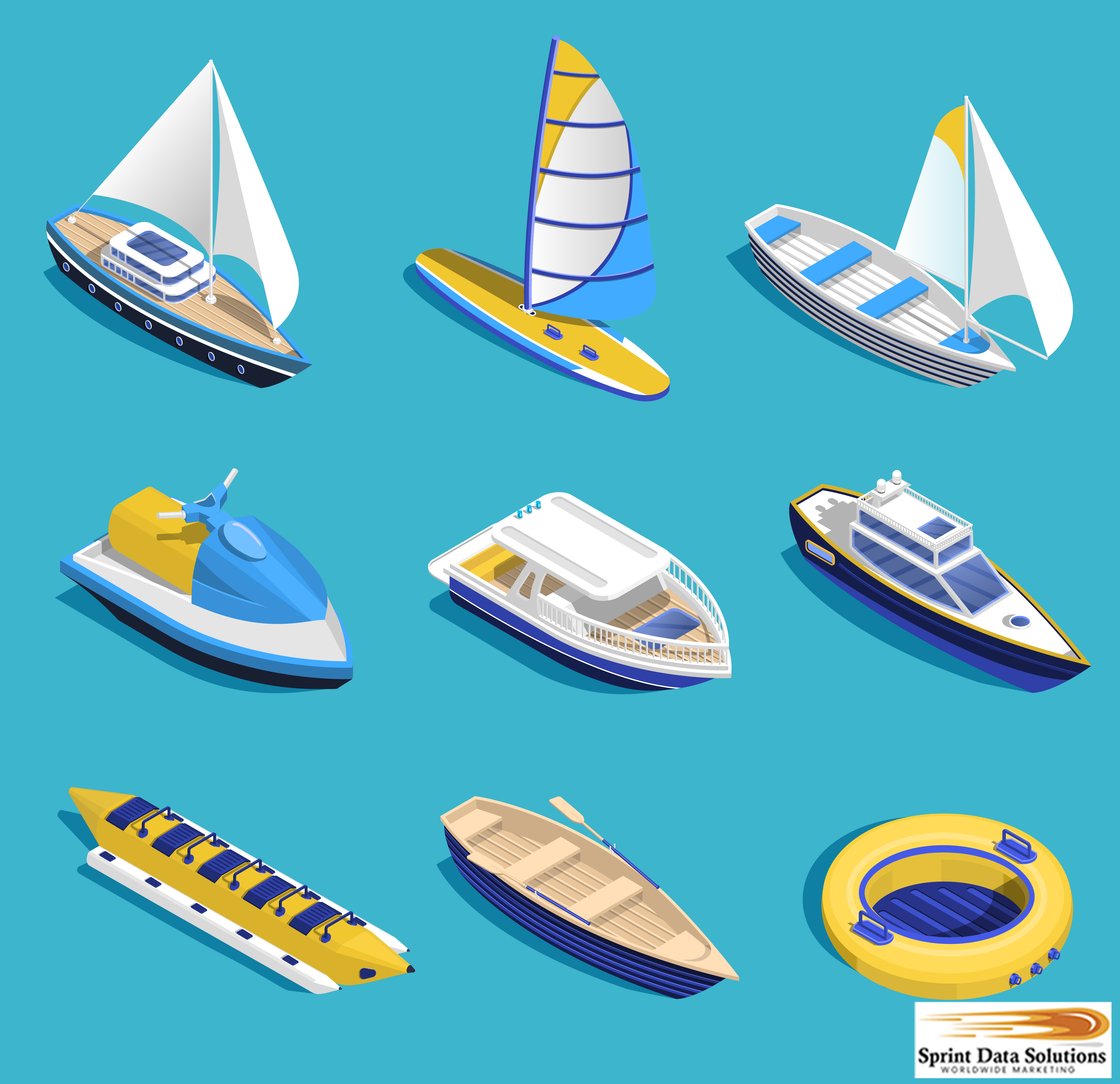
Boats can be broadly classified into several categories based on their propulsion systems and the environments in which they are designed to operate. Understanding these classifications is crucial for businesses that sell boat-related products or services, as different types of boats require different equipment and accessories. In this overview, we’ll break down three types of propulsion systems, followed by four categories of boats, based on their intended use.
Human-Powered Boats
Human-powered boats are boats that rely entirely on physical exertion to move through the water. This category includes rowboats, kayaks, canoes, dinghies, and paddleboards. These boats are generally lightweight and easy to handle, making them ideal for leisurely activities on calm waters, like fishing, paddling, or just enjoying nature. Many recreational boaters enjoy using these boats on lakes, rivers, and coastal waters where they can easily be launched and maneuvered. The demand for accessories such as paddles, life vests, and portable storage solutions is high in this category, providing an opportunity for businesses to offer essential gear to these boaters.
Motorized Boats
Motorized boats are powered by engines, making them more efficient and capable of covering greater distances and navigating larger bodies of water. These boats include a wide range of vessels, such as fishing boats, ski boats, pontoon boats, cruisers, and speedboats. Motorized boats can be fueled by gasoline or electricity, and the choice of power source often depends on the boat’s intended use. Gasoline-powered motorboats are popular for their speed and power, while electric boats are gaining traction due to their quieter operation and environmental benefits. Motorized boat owners tend to seek a range of products and services, from maintenance tools to accessories that enhance performance, like navigation systems and boat covers.
Wind-Powered Boats
Wind-powered boats, primarily sailboats, use the wind to propel them across the water. These boats rely on sails, and the operator’s skill to control the direction and speed of the boat using wind as the primary source of energy. Sailing is a popular hobby and sport for those who appreciate the challenge of navigating without an engine, often requiring a deep understanding of wind patterns, boat handling, and safety. Sailboat owners frequently invest in high-quality sails, rigging, and accessories to enhance their sailing experience. The wind-powered boat market also includes a growing interest in eco-friendly alternatives to motorized vessels, with hybrid models gaining popularity among environmentally-conscious boaters.
Category A: Ocean-Class Boats
Ocean-class boats are specifically built to endure the challenging conditions of the open ocean. These boats are designed with durability in mind, capable of withstanding harsh winds, towering waves, and rough storms that occur far from shore. Ocean-class boats often feature robust construction, self-sufficient living quarters, and advanced navigational systems, making them ideal for long voyages and offshore adventures. These boats are popular among seasoned sailors and those embarking on extended expeditions. Boat owners in this category value high-quality gear, including safety equipment, communications systems, and robust hulls, and are willing to invest in premium accessories to ensure their boats remain reliable during their voyages.
Category B: Offshore-Class Boats
Offshore-class boats are slightly less robust than ocean-class boats but are still designed for use in open waters. These boats are suitable for activities such as offshore fishing, recreational boating, and short-distance cruising. Offshore boats are capable of withstanding strong winds and large waves, but they are typically not built for long voyages in harsh conditions. Owners of offshore-class boats often enjoy engaging in water sports and fishing, frequently using their boats for activities up to 20-30 miles from shore. This category also includes boats equipped with specialized fishing gear, scuba diving equipment, and recreational accessories like water sports tubes and wakeboards.
Category C: Inshore-Class Boats
Inshore-class boats are ideal for lakes, rivers, and coastal waters where the water conditions are generally calmer. These boats are smaller and more versatile, making them popular for short trips and recreational boating. Inshore-class boats can handle medium-sized waves and moderate winds, but they are not suited for offshore excursions. Common examples include fishing boats, speedboats, and small cruisers. Boat owners in this category typically use their boats for leisure activities like fishing, day trips, and family outings. These boats are perfect for those looking for a more relaxed boating experience close to shore, and they require a variety of accessories such as fish finders, anchors, and boat covers.
Category D: Coastal Water, Inland, and Sheltered Waters Class Boats
Category D boats are designed for the calmest and most sheltered waters, including small lakes, rivers, and bays. These boats are best suited for beginners or those who primarily engage in leisurely boating. They are ideal for activities like kayaking, canoeing, and small fishing trips. These boats are typically lightweight, easy to maneuver, and offer a relaxed experience on the water. They are highly popular among families, nature enthusiasts, and newcomers to boating. Owners of these boats are often just starting to explore the world of boating, and they are typically interested in simple accessories like paddles, life jackets, and storage bags. Additionally, these boats are an excellent entry point for people who are learning the basics of navigation and boat maintenance.
Types Of Boats
You will find boat owners of varying boat types on our boat owners contact list. These boat types include:
- Bowrider Boats
- Cabin Cruiser Boats
- Canal Boats
- Canoes
- Center Console Boats
- Cigarette Boats
- Cuddy Cabin Boats
- Deck Boats
- Dinghies
- Fishing Boats
- Houseboats
- Inflatable Boats
- Jon Boats
- Kayaks
- Motorboats
- Pontoon Boats
- Rowboats
- Sailboats
- Ski Boats
- Skiffs
- Speedboats
- Trawlers
- Tugboats
- Yachts
Access all of these boat owners and more with our boat owners list.
Tap Into The Growing Market Of Boat Owners
Sprint Data Solutions Worldwide Marketing was founded in Las Vegas by a service-disabled veteran with a clear vision: to empower businesses by providing precise, comprehensive, and actionable data. We have built one of the most extensive and specialized databases, featuring a wide array of highly-targeted lists that can fuel your marketing campaigns. Whether you are focused on direct mail, email marketing, telemarketing, or SMS outreach, our data is the key to helping you engage with the right audience at the right time.
Our databases go beyond just basic contact details. Each list is enriched with detailed demographic data, including age, gender, income levels, and geographic location. We also provide deeper insights into consumer psychographics, such as preferences, behaviors, and values, allowing you to understand the motivations of your audience. This combination of data enables businesses to fine-tune their marketing strategies and create more personalized, compelling campaigns that resonate with potential customers.
At Sprint Data Solutions Worldwide Marketing, we don’t just provide lists—we ensure the highest quality of data available. All of our contact information is thoroughly vetted through stringent quality protocols to guarantee its accuracy. We utilize the most trusted and widely recognized data certification systems, including the National Change of Address (NCOA) and the Certified Address Accuracy System (CAAS). This ensures that you’re reaching the right contacts and minimizing wasted efforts from outdated or incorrect data.
Our lists are constantly updated, run through several layers of verification, and are continually refined to maintain relevance. By partnering with us, you can trust that you’ll always receive up-to-date, reliable information. Sprint Data Solutions Worldwide Marketing takes pride in delivering data that will help you target potential customers at a granular level, optimizing your marketing campaigns and improving your ROI. Whether you are aiming to reach local markets, specific income brackets, or individuals with particular interests or behaviors, we provide you with the precision you need to make informed decisions.
Reach out to Sprint Data Solutions Worldwide Marketing today and unlock the potential of your marketing efforts with the most accurate and comprehensive data available.

Access The Right Boat Owners For Your Marketing Efforts
At Sprint Data Solutions Worldwide Marketing, we provide you with comprehensive, up-to-date information on every individual in our databases. This empowers you to filter, sort, and refine your list to ensure that you’re reaching the right boat owners for your marketing efforts. We understand that different campaigns require different levels of granularity, and with our lists, you have the ability to tailor your outreach based on specific criteria, such as income level, location, boating habits, or lifestyle preferences.
Our lists are not just about names and contact details. They offer deep insights into the boat owner market, giving you the data you need to adjust your marketing strategies to better align with the demand of your target audience. Whether you’re focusing on selling boats, offering accessories, or marketing insurance, our databases can provide you with the most accurate and actionable information available, ensuring that you’re contacting the right people who are most likely to engage with your brand.
When you choose to partner with Sprint Data Solutions Worldwide Marketing, you’re not just buying a list—you’re gaining a resource for success. Our team works closely with you, helping you interpret the data and providing insights into how you can optimize your marketing approach for the highest return on investment. Whether you’re looking to engage boat owners through cold calling, personalized email campaigns, or highly-targeted direct mail efforts, our lists are perfectly suited to help you reach your ideal customers.
We understand that effective marketing relies on the right data. That’s why we make sure that every list is thoroughly vetted, updated regularly, and enriched with valuable information that can improve your targeting accuracy. From detailed consumer profiles to psychographic data, our lists offer everything you need to succeed in your marketing efforts.
Contact Sprint Data Solutions Worldwide Marketing today, and let our experienced team guide you through the process of selecting and utilizing our lists to ensure your marketing strategies are aligned with your business goals. We’re here to help you reach the right audience, optimize your efforts, and maximize your results.