

Insurance Becomes More Important In Times Of Volatility
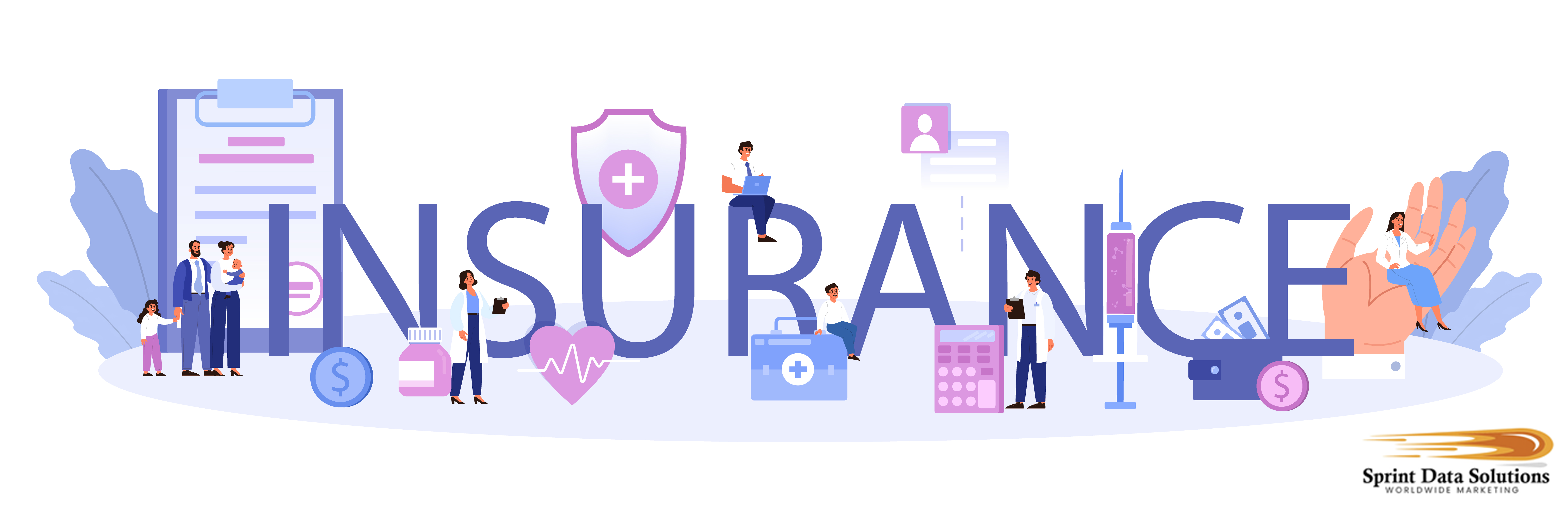
The concept of insurance epitomizes the saying, “It’s better to have it and not need it than to need it and not have it.” Life is unpredictable, and accidents can lead to financial burdens that far exceed what most individuals or businesses can handle. Insurance plays a vital role in bridging this gap. By paying a regular premium, policyholders gain the security of knowing that, should unforeseen events occur, the accumulated premiums provide coverage for recovery costs that might otherwise be unmanageable.
In some instances, insurance is more than a precaution; it’s a legal requirement. For example, most states in the U.S. mandate vehicle owners to carry insurance before driving legally on public roads. While paying insurance premiums may seem like a routine expense with no immediate benefit, the value becomes undeniable in moments of crisis, often safeguarding lives, assets, and livelihoods when catastrophe strikes.
Despite its importance, many Americans view insurance as a necessary chore—akin to eating vegetables—something they know is good for them but don’t fully engage with. This is where strategic promotion and effective marketing come into play. The average consumer or business owner may not grasp the nuances that differentiate one insurance policy from another. Thoughtful marketing that highlights key benefits, clarifies terms, and even identifies pitfalls in existing policies can inspire potential clients to reevaluate their options. Such efforts can motivate individuals and businesses to switch providers or insure previously uncovered risks, turning an abstract concept into a tangible, indispensable resource.
Who Benefits?
Insurance plays a vital role in supporting both individual consumers and businesses across the United States. With a wide range of coverage options, there are numerous opportunities to target specific markets and provide value where it’s needed most.
Health Insurance
Health insurance is often one of the most pressing concerns for Americans. Despite being one of the world’s most medically advanced nations, the cost of accessing these cutting-edge treatments can be staggering. For many, especially those without full-time employment offering comprehensive health benefits, a serious medical emergency could lead to overwhelming debt or make critical care entirely unaffordable. Families without adequate coverage face the harsh reality of financial hardship that can last for generations.
As a result, many people actively seek better health insurance options. While the Affordable Care Act has improved accessibility to health coverage, it remains far from perfect for many Americans. Businesses or organizations offering viable alternatives that address affordability and provide meaningful coverage can stand out in this competitive landscape. By presenting solutions that ease the burden of skyrocketing healthcare costs, companies can capture the attention and trust of consumers searching for better, more sustainable health insurance options.
Medicare Part B
Medicare Part B is a critical component of healthcare financing that often becomes a concern for Americans as they approach eligibility or seek broader healthcare coverage. While many focus on major medical expenses like surgeries or treatments for life-threatening conditions such as cancer, Medicare Part B addresses a wide range of other essential but often overlooked costs. These include routine medical consultations, ambulance transportation, medical equipment like wheelchairs or glucose monitors, and even mental health services.
Given the comprehensive nature of these costs, consumer interest in Medicare Part B coverage can rival or even surpass that for traditional health insurance. Targeting this market effectively with clear, relevant offers can generate significant interest and engagement, making Medicare Part B a compelling area for insurers looking to connect with motivated customers.
Life Insurance
The loss of a loved one is an inevitable part of life, but it can leave a profound emotional and financial impact on surviving family members. This is especially true when the deceased was a primary income earner, responsible for funding essentials like food, housing, or education. Life insurance has long been a trusted safety net for families, ensuring that financial security can continue even in the face of such loss.
However, life insurance policies can be complex, with conditions, riders, and limitations that may not be immediately apparent to policyholders. This complexity presents an opportunity for providers to stand out by offering policies with clearer benefits, fewer restrictions, or more favorable terms. By addressing consumer pain points and delivering a transparent, competitive product, insurers can effectively build trust and attract long-term customers.
Variable Annuity Holders
Variable annuities, while not traditional insurance, are financial products offered by insurance companies that combine investment and retirement benefits. These products involve either a one-time payment or a series of contributions, with the promise of tax-deferred earnings to be distributed at a later date. This distribution can provide a reliable income stream for retirees or beneficiaries, such as a spouse or children.
As a hybrid of retirement planning and investment, variable annuities appeal to a diverse demographic, particularly those planning for their financial future. These products are especially attractive to individuals seeking tax advantages and a flexible approach to retirement savings. Insurers offering competitive annuity options can capture the interest of financially savvy customers looking for secure, long-term growth opportunities. By highlighting the unique benefits and adaptability of variable annuities, insurers can effectively engage this valuable segment of the market.
Auto Insurance
Auto insurance is a mandatory requirement for legal driving in most states, but not all policies are equal in coverage or value. With the vast array of options available, many drivers unknowingly select policies that fall short of their needs. Larger providers often bundle auto insurance with other policies, offering discounts that attract consumers who might overlook better alternatives.
This presents an opportunity for competitive products to disrupt the market by offering tailored coverage, better pricing, and consumer-friendly terms. Educating drivers about these benefits can encourage them to switch to policies that provide greater value and align with their specific requirements, fostering loyalty and satisfaction.
Home Insurance
Unlike auto insurance, home insurance is not mandated by law. However, it is effectively required for many homebuyers, as mortgage lenders typically insist on coverage before approving a loan. As a result, home insurance plays a vital role in the property market, ensuring that both homeowners and lenders are protected from financial risk.
Despite the wide range of home insurance options available, many buyers settle for less comprehensive policies, often swayed by convenience or discounts offered through bundled packages. Educating homeowners about the advantages of more competitive and tailored policies can inspire them to reevaluate their choices, leading to increased conversions and customer satisfaction.
Renter’s Insurance
Renters are increasingly recognizing the value of insurance to protect their belongings and provide peace of mind. In cities like New York, where many individuals spend their lives in rent-controlled apartments, renter’s insurance offers critical coverage against accidents, theft, or property damage.
With economic conditions making homeownership more challenging, the demand for renter’s insurance continues to grow. Proper marketing and education can help renters understand the benefits of these policies, ensuring that they feel secure even without owning property. This growing market segment represents a significant opportunity for insurers to provide solutions tailored to renters’ needs.
Vault Insurance
Vaults are often seen as the ultimate safeguard for valuable possessions, but they are not immune to risks such as natural disasters, theft, or other unforeseen events. For individuals and businesses that rely on vaults to protect assets, the loss of their contents can be devastating.
Vault insurance provides an additional layer of security, covering the financial impact of such losses. Marketing vault insurance effectively can appeal to those who value their investments and are willing to pay a premium for added protection. By highlighting the peace of mind that comes with comprehensive vault coverage, insurers can tap into this niche but essential market.
Commercial Business Insurance
One of the earliest forms of insurance in history revolved around protecting businesses, particularly valuable cargo shipped across vast trade routes. Today, commercial business insurance continues to be an essential pillar for enterprises, offering protection across a broad spectrum of business needs. From retail stores to manufacturing plants, commercial insurance addresses risks associated with property, inventory, liability, and operations.
Savvy business owners understand the importance of mitigating risks and safeguarding their investments, whether it’s equipment, real estate, or intellectual property. The commercial sector consistently demands insurance products that deliver reliable coverage while remaining competitively priced. Insurers that tailor policies to specific industries and provide transparent terms can establish strong, long-term relationships within this critical market.
Personal Property Insurance
A common misconception among homeowners is that home insurance automatically provides comprehensive protection for all belongings inside the home. In reality, many policies—particularly those with low premiums—focus on covering the structure itself while leaving personal items like electronics, furniture, and valuables unprotected. This oversight can leave families financially vulnerable in the event of theft, fire, or other disasters.
Personal property insurance offers an extra layer of security, ensuring that possessions such as heirlooms, jewelry, or essential household items are covered. This type of insurance is not only relevant for homeowners but also for renters, who may wish to protect their belongings independently of the property owner’s policy. Marketing personal property insurance effectively highlights its importance, appealing to individuals who value their possessions as much as the roof over their heads. Providing flexible, customizable options can attract a wide audience, from first-time renters to established homeowners.
Insurance Bond
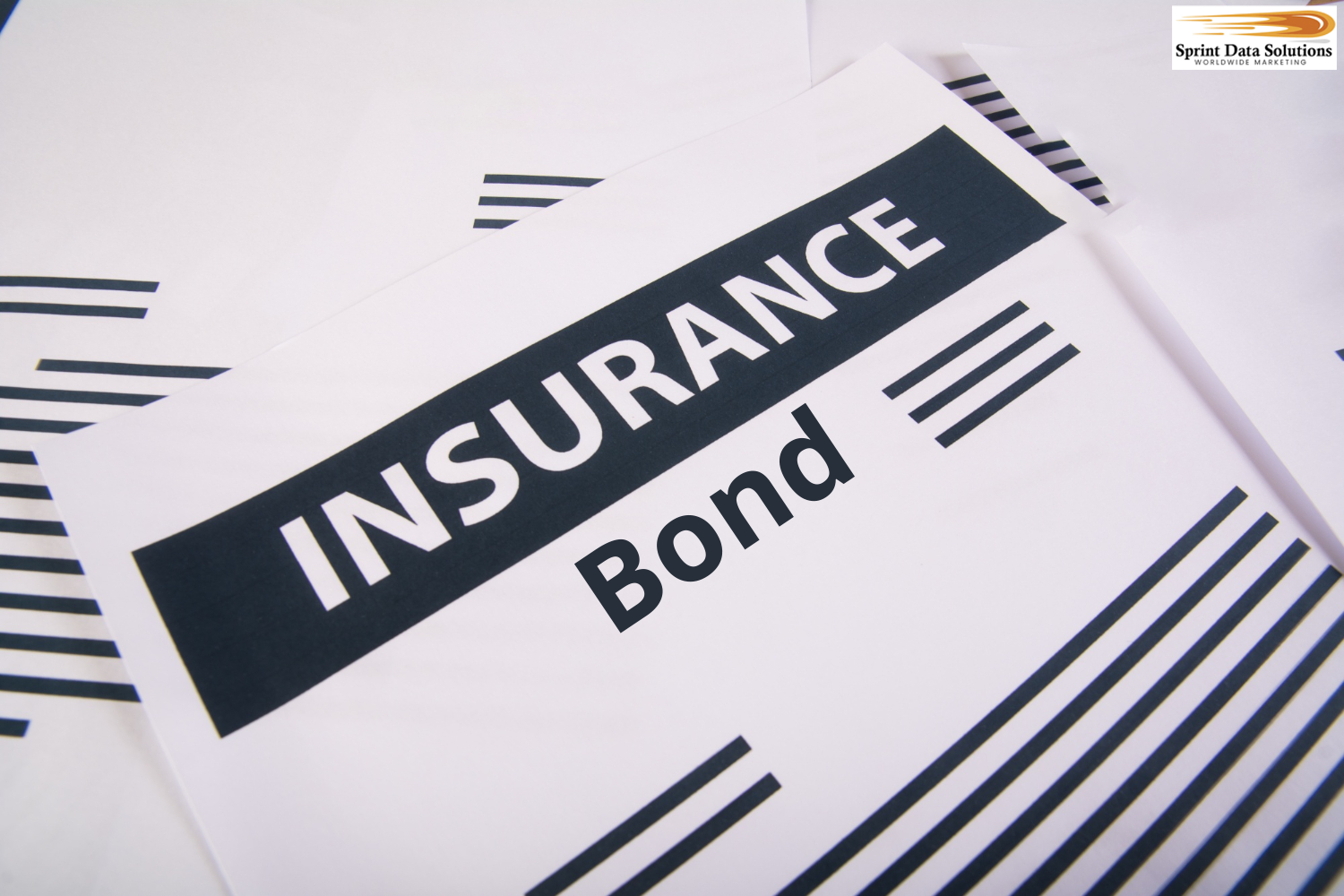
An insurance bond differs from a traditional insurance policy but serves a similar purpose in providing assurance and financial security. Essentially, an insurance bond acts as a legal and financial guarantee that certain obligations will be met, offering reassurance to other parties. These bonds come in various forms, such as fidelity bonds to protect businesses from employee misconduct or bid and performance bonds, often used by construction companies to guarantee project completion as agreed.
Given their role in bolstering trust and financial stability, insurance bonds are essential for a wide range of industries. From small business operators to large construction firms, there is always a demand for bonds at key stages of operation. Targeting these businesses with well-crafted marketing campaigns can help insurers tap into this important segment.
Business Interruption Insurance
Disasters can have a devastating impact on businesses, causing operations to halt and leading to significant financial losses for owners and employees alike. Business interruption insurance is designed to mitigate these risks, offering protection against lost income and operational disruptions. Unlike a homeowner dealing with temporary displacement, a business owner must also consider employee wages, loan payments, and the search for alternative locations to resume operations.
This type of insurance can vary widely, covering everything from utility expenses to helping establish temporary offices. By tailoring policies to meet the specific needs of different industries, insurers can provide valuable peace of mind. Marketing these features effectively to the right businesses ensures a strong appeal and potential long-term partnerships.
Fire Insurance
Fire insurance remains one of the most widely recognized and sought-after types of coverage, providing essential protection against one of the most destructive disasters a property can face. The financial toll of a fire can be overwhelming, and having comprehensive insurance offers the security of knowing that recovery costs are covered.
However, not all fire insurance policies are created equal, and coverage often varies significantly between providers. Some policies may fall short of adequately protecting customers, leaving room for competitors to offer better terms or rates. Highlighting these advantages in marketing efforts can appeal to customers seeking more robust protection, ensuring peace of mind and financial stability in the face of fire-related risks.
High-Risk Insurance
Insurance is designed to provide peace of mind and financial protection, but not everyone qualifies for standard policies. High-risk insurance fills this gap, catering to individuals and entities that fall outside traditional coverage criteria. This can include drivers with multiple accidents, lapses in premium payments, or poor driving records. Similarly, property owners looking to insure vacant buildings or those in high-risk areas may require specialized policies.
Although this market is smaller than that of standard insurance policies, it is highly active and motivated. Many high-risk individuals and businesses still seek the security that only insurance can provide, making this a valuable niche for insurers to explore. With the right targeting strategies and tailored policy options, providers can connect with these customers and meet their unique needs, building loyalty and trust in an underserved market.

How We Can Help
Sprint Data Solutions Worldwide Marketing is a proudly American-owned and operated business founded by a disabled veteran. From our beginnings as a direct mail marketing company, we have grown to offer comprehensive marketing solutions that span domestic, continental, and international markets. Our specialized services include providing curated insurance consumer and business contact lists tailored to meet your specific needs.
We pride ourselves on offering competitive pricing and maintaining one of the most accurate and reliable databases in the industry. Our lists are regularly updated using advanced AI-driven analytics and machine learning to ensure precision and relevance. By accessing multiple reputable database sources, we provide comprehensive and actionable data that can help you reach your target audience effectively.
Whether you’re seeking insurance leads for direct mail, telephone, email, or SMS/text-based marketing, Sprint Data Solutions Worldwide Marketing has the tools and expertise to connect you with the right customers. Contact us today to learn how we can help drive your marketing success with precision and results-driven strategies.